



Security Drone: All You Need To Know
What is a security drone ? How do police and first responders use drones ?
What about safety operations in industries or sensitive sites ?
Let’s deep dive into the world of robotic aerial surveillance for emergency response, law enforcement and private security. Discover the main types of security drone systems and their applications with detailed examples and end users feedback.
Table of Contents
What are Security Drones? Definition
A security drone is an unmanned vehicle, part of an integrated robotic system, specifically designed to assist public safety professionals, in their law enforcement operations and drone operators involved in private security or industrial safety missions.
These drones can be equipped with advanced imaging and sensing technology to conduct, for example, automated aerial surveillance or telecommunications missions. Their primary function is to deliver real-time aerial or ground footage and actionable intelligence. This data is essential for enhanced situational awareness and rapid decision-making in security scenarios.
Let’s focus here on autonomous aerial drones used for public safety and critical industrial security applications.
Types of Security Drones: Exploring Autonomous Systems
Here are the most common types of security drones used in public safety and private security applications. Each type of drone has specific features and capabilities, making them suitable for various tasks in these sectors, with a growing trend towards fully autonomous operations.
Multirotor Drones
The most common type of drone. They are highly maneuverable and able to hover in place, making them frequently used for urban surveillance, crowd monitoring, and incident response.
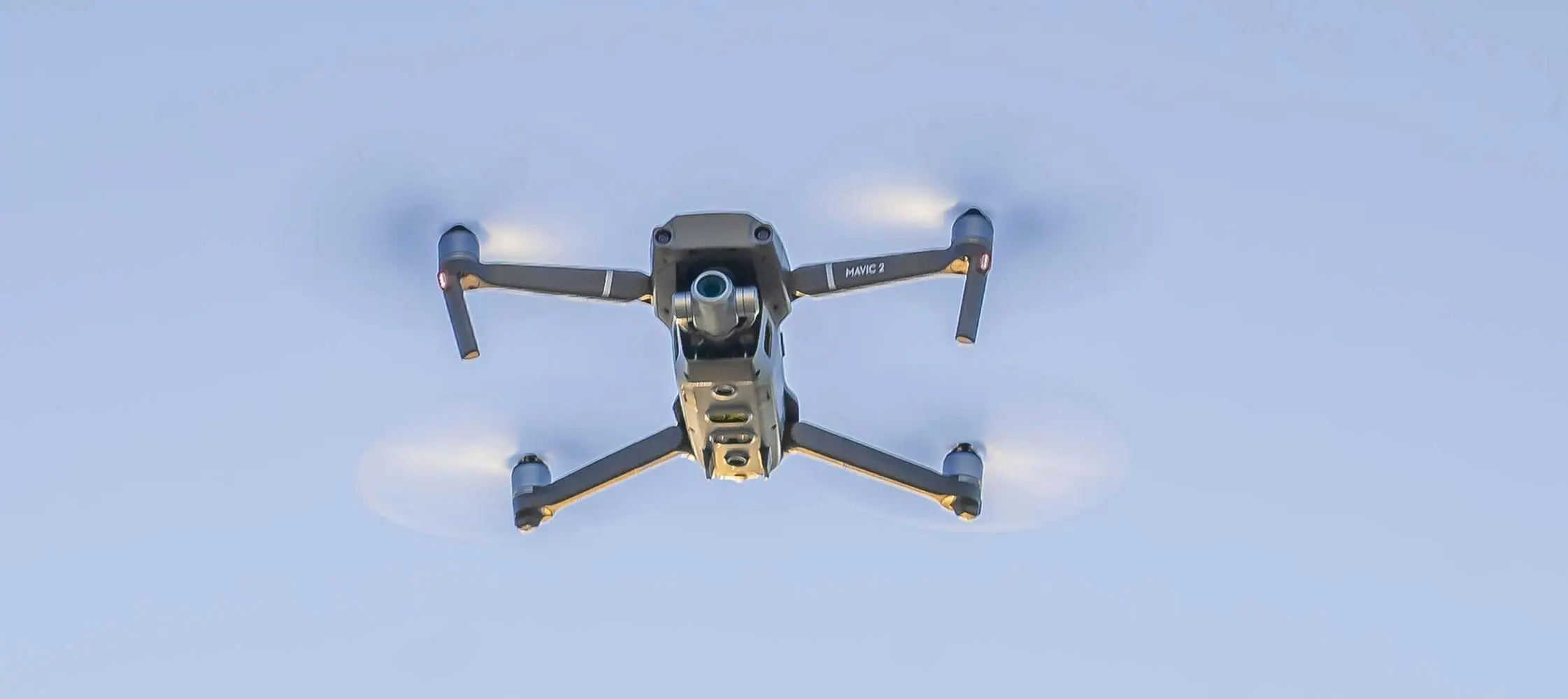
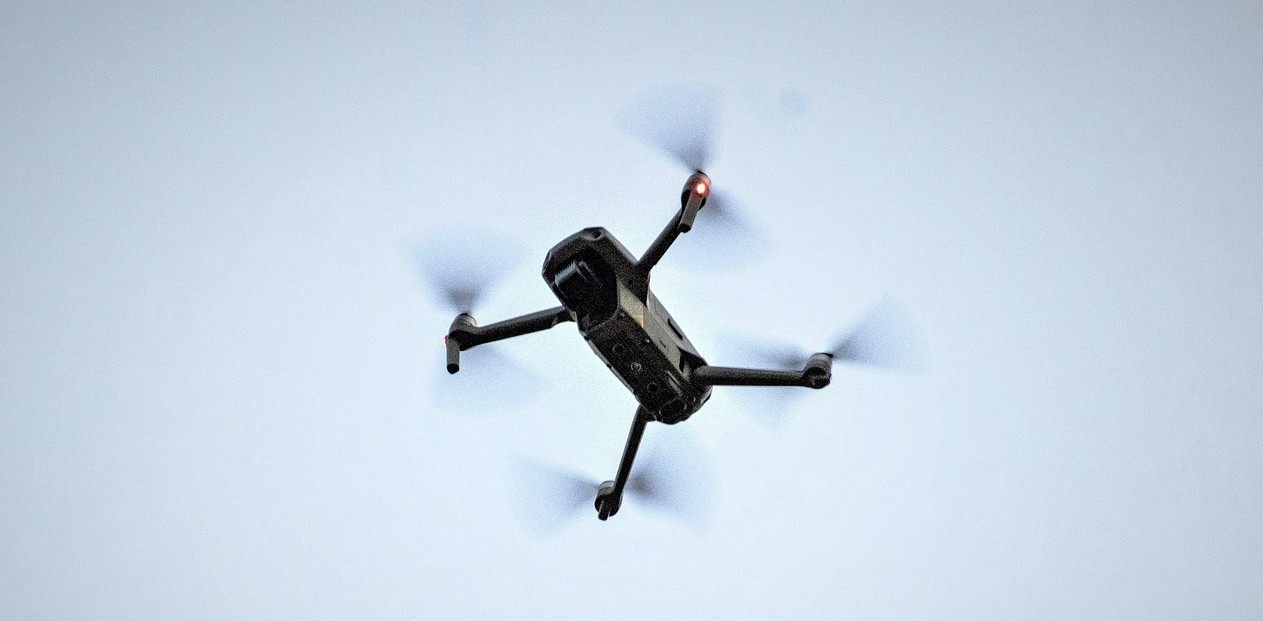
Nano/Micro Drones
These are small and often hand-launched drones, used for indoor surveillance, confined space inspections, or situations where stealth is necessary. They are beneficial for tactical operations by police or special forces.
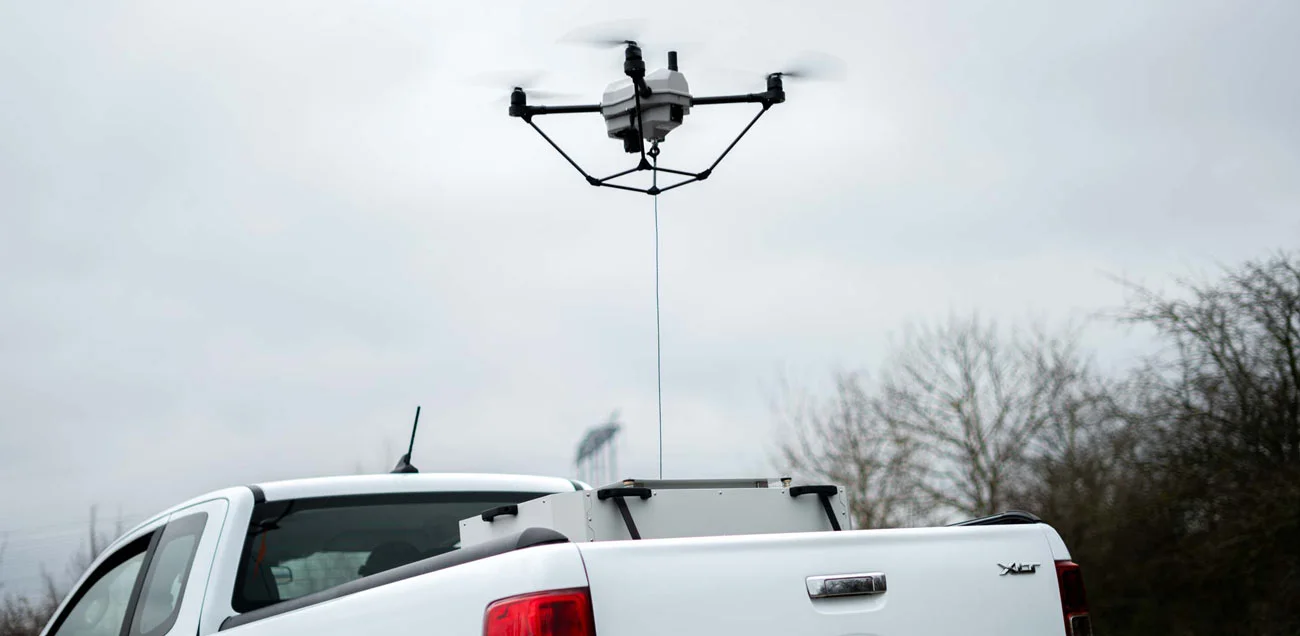
Tethered Drones
These are security drone solutions connected to a ground station by a tether, providing continuous power and secure data transfer. They are used for prolonged surveillance over a fixed location, like during large public events or for perimeter security.
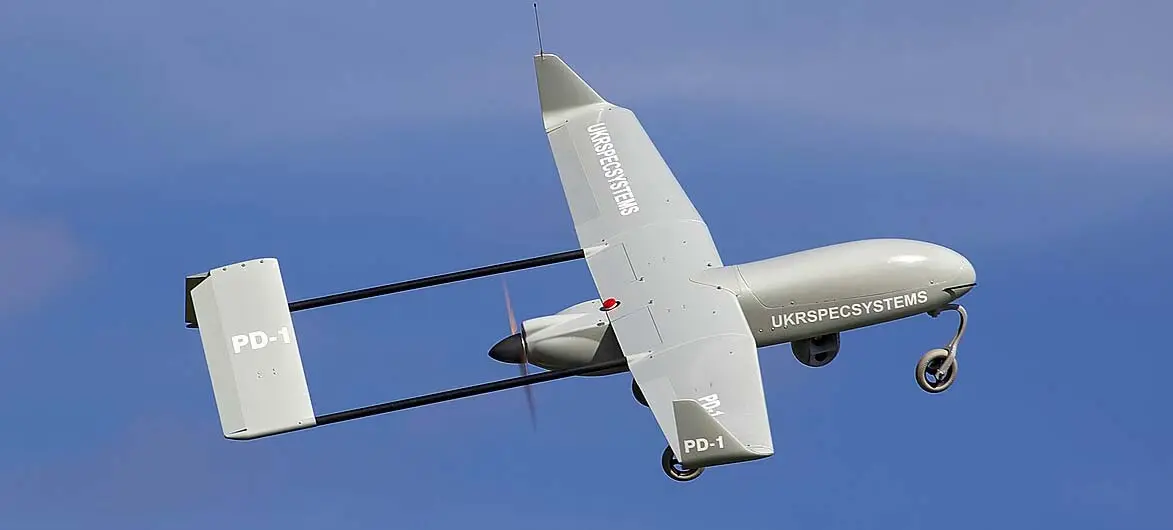
Fixed-Wing Drones
These long-range drones have a rigid wing structure and can cover larger distances and stay airborne for longer periods. They are ideal for large-scale surveillance and monitoring, such as border security or large facility protection.
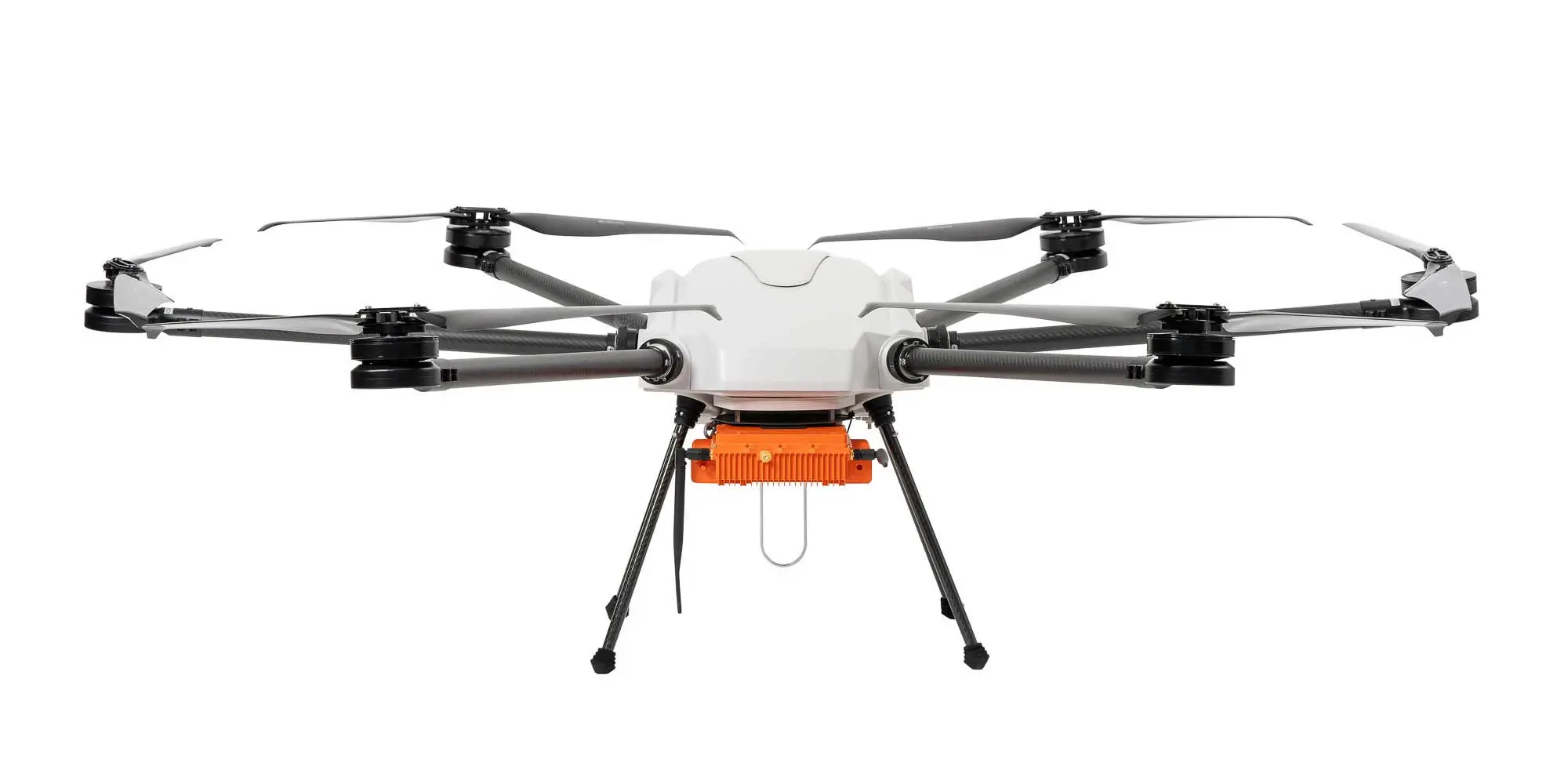
Heavy-Lift Drones
These drones are capable of carrying heavier payloads and can be used for transporting equipment or supplies during emergency situations or for logistic purposes in secure facilities.
Drone-in-a-Box (DIB)
A significant development in the sector is the Drone-in-a-Box (DIB) system. Unlike manually piloted or simple tethered platforms, a DIB is a sophisticated, all-weather enclosure that functions as a secure base station.
This station allows the security drone to take off, execute pre-programmed or trigger-based automated patrol missions, land, and recharge—all autonomously and without human intervention.
The DIB system ensures the drone is always mission-ready for rapid alarm response and continuous perimeter surveillance, making it the defining feature of modern robotic aerial security.
Matching Drone Capabilities to Mission Requirements
Each type of security drone offers unique advantages for different security and public safety scenarios. The choice of drone often depends on the specific requirements of the task:
- Area to be covered
- Duration of the mission
- Nature of the surveillance and operation needed
Public Safety Drones Applications: Enhancing Security Operations
Security drone technology offers unparalleled capabilities to public safety operations across many applications. They have become indispensable in enhancing security and efficiency, from large-scale event security to critical anti-terrorist operations. Let’s review some of the main applications involving security drone technologies.
Crowd Managemement and Traffic Monitoring
During public events, security drones provide overhead surveillance, enabling rapid response to any potential danger, ensuring the safety of attendees. Their main advantage is their aerial view, enabling security teams to follow movements with no sight obstruction, and to better coordinate ground teams interventions.
Combined with image analysis software for traffic monitoring, they provide operators with real-time data that are key to understand and manage congestion, and optimize traffic flows. Their bird’s eye view is also useful for managing accidents, and increased traffic events, such as during sports or cultural gatherings. These systems deliver essential situational awareness for effective crowd control missions.
Natural Disaster Assessment
Drone technology enhances natural disaster response in several key ways:
- Damage assessment: they rapidly evaluate destruction from fires, hurricanes, earthquakes, or floods to provide responders with a clear picture of the situation.
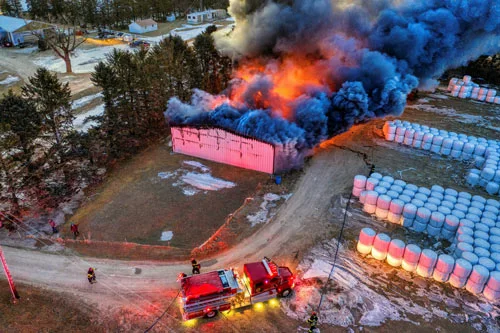
- Route identification: as they locate accessible paths for emergency personnel to reach affected areas quickly.
- Recovery prioritization: by helping authorities to determine which areas need immediate attention for strategic resource allocation.
Moreover, in incidents involving hazardous materials, drones can enter contaminated zones to collect data without exposing human responders to danger. They offer a safe and efficient way to assess the situation, plan decontamination processes, and monitor ongoing threats to public health and the environment
Security Operations
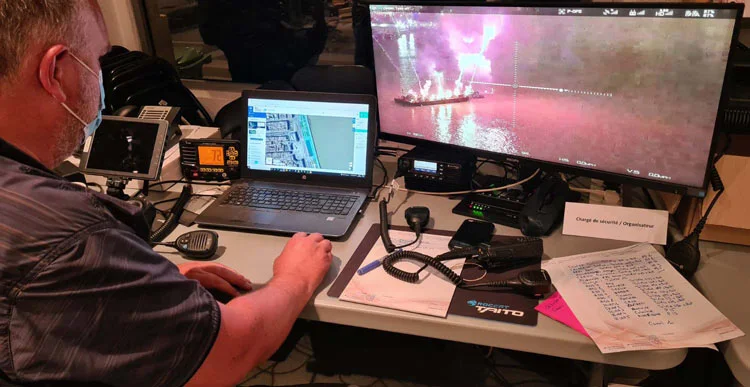
Security drone solutions also play a pivotal role in major security operations:
- Anti-terrorist missions
- Coastal surveillance
- Response to urban violence
How? By providing overhead surveillance with their cameras or telecommunications devices. Indeed, they can monitor suspicious activities, track terrorist movements, and support tactical operations with a better understanding of the situation to limit the risks incurred by responders. This provides enhanced situational awareness vital for personnel safety.
“By using tethered drones, we were able to gain a significant advantage in keeping people safe at a large event such as this massive festival. Our main goal was to take people flow of the festival and send it to the CPOPS event coordination team, so they can have live footage of what is going on around the festival.”
Industrial Drones: Safeguarding Assests via Automated Surveillance
Security drone technology has spread throughout industries to help prevent incidents, intrusions, manage response, and even inspect critical infrastructure. UAVs (Unmanned Aerial Vehicles) offer a blend of versatility, efficiency, and advanced capabilities to complement traditional methods, particularly through automated patrol missions.
Risks Identification
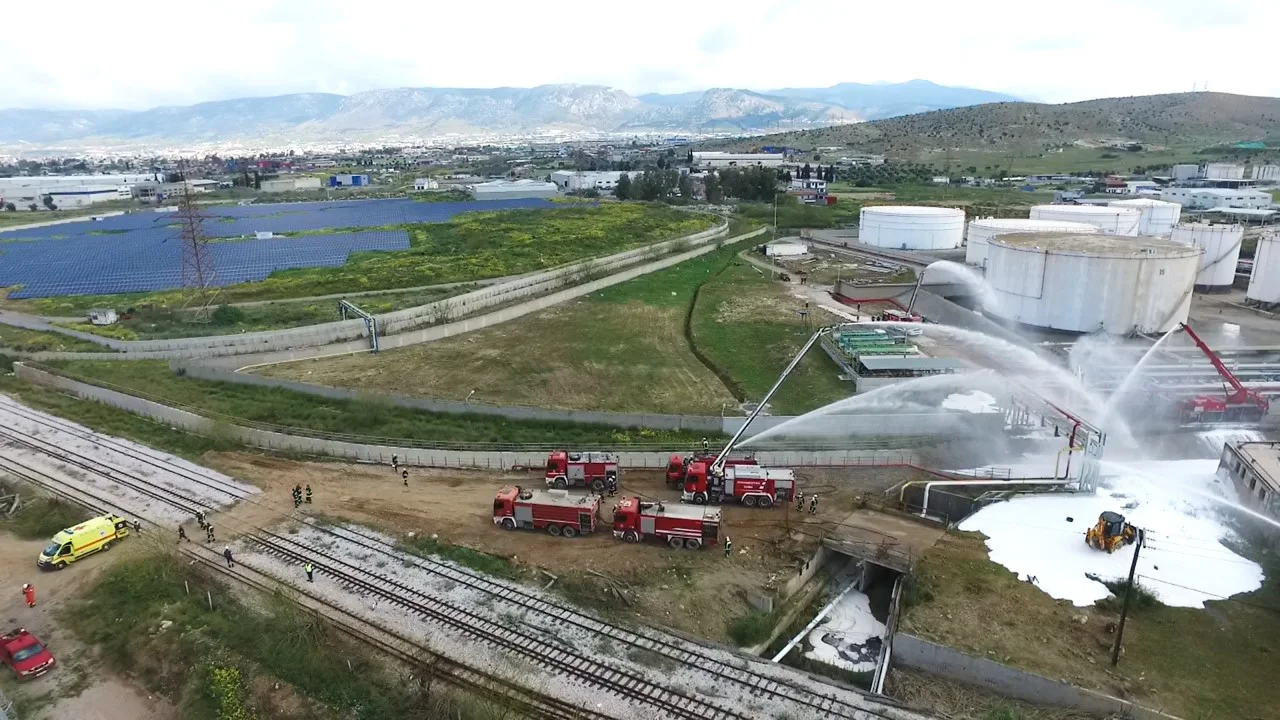
Critical infrastructure inspection is another area where drones excel. They can navigate around or even inside buildings, bridges, and pipelines, capturing high-resolution images that help identify wear and tear, structural damages or hazardous material spills.
This proactive maintenance approach helps prevent costly downtimes and accidents, ensuring the longevity and safety of the infrastructure. In worst case scenarios, they can support quick action to mitigate threats to worker safety and operational continuity.
Intrusion
Intrusion prevention has also been significantly enhanced through robotic security drone technology. Equipped with night vision and thermal imaging, autonomous drones can execute automated patrol missions accross large perimeters, or hover for day into night periods, detecting unauthorized entries.
They can provide real-time aerial footage that helps coordinate ground teams more effectively, ensuring everyone is aware of their surroundings and objectives. This enhances communication and operational efficiency, making complex tasks more manageable.
“The drone gives us a clear picture, optical and thermal, of the site. The thermal imagery provides not only a view of the incident, but also datas of its magnitude. Having a drone is an asset that can help us make the right decisions on time”.
Why industries need automated drone surveillance
Security drone technology transforms industrial operations by protection and operational advantages.
- Enhanced security and safety: strengthens traditional security measures with real-time aerial surveillance and automated alarm response capabilities.
- Operational efficiency: introduces proactive management through fully autonomous missions that reduce human intervention and optimize security operations.
- Versatile applications: adapts to diverse industrial needs, from perimeter security to critical infrastructure monitoring.
- Complete protection: safeguards assets, personnel, and the environment through seamless integration of automated drone surveillance systems.
What Are the Key Benefits of Automated Drone Surveillance?
An Enhanced Situational Awareness and Actionnable Intelligence
Nowadays in security drone operations, automated drone surveillance has revolutionized the way missions are conducted, providing an “eye in the sky” for real-time, aerial surveillance.
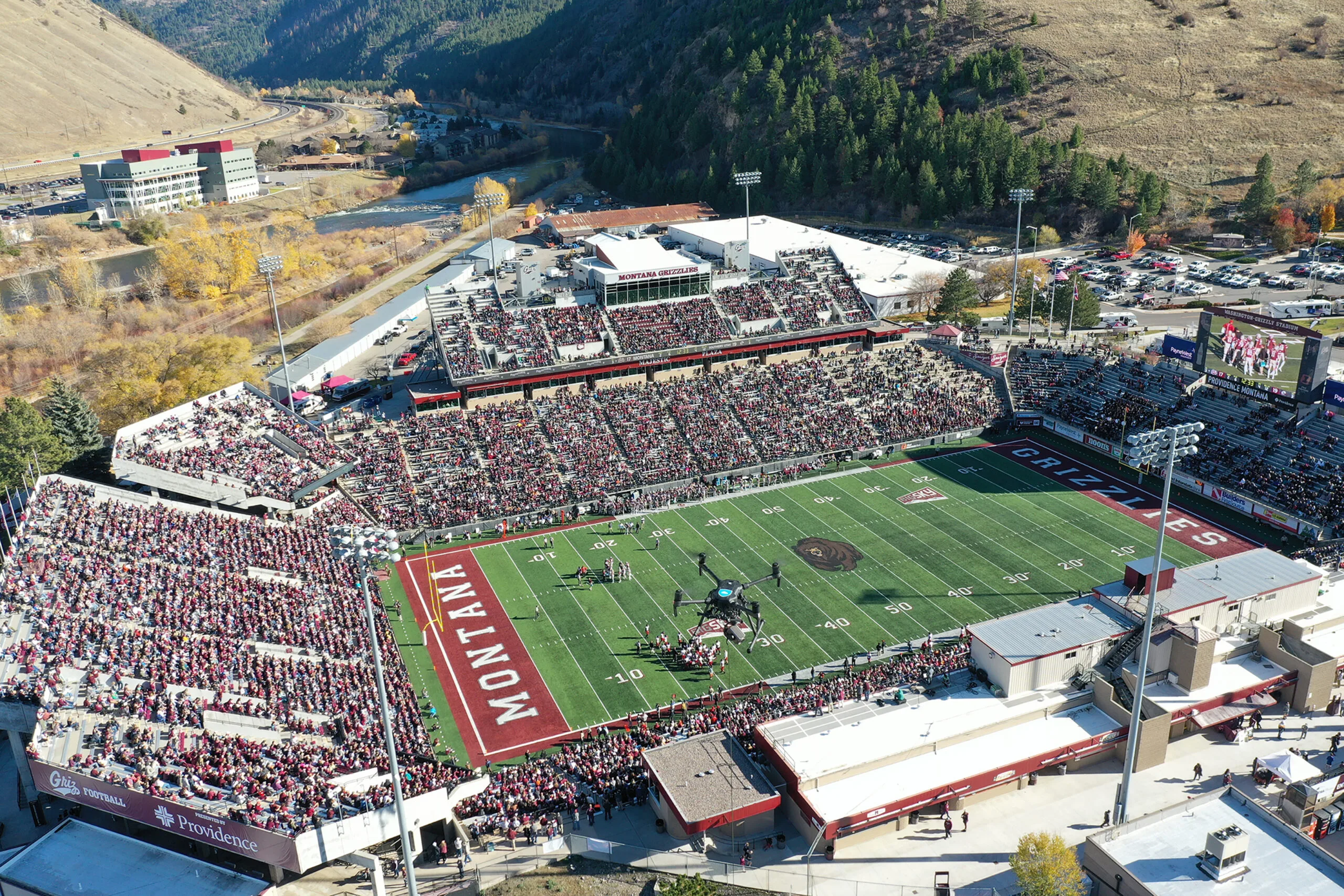
These autonomous systems offer a global view, enabling then to overwatch extensive areas with precision and deliver actionable intelligence. A security drone can be equipped with a wide array of camera options to meet the specific requirements of each mission.
The versatility of these camera systems allows for detailed surveillance missions, whether it’s tracking a suspect, overseeing a disaster zone, or monitoring dense traffic areas.
In addition, their advanced image analysis software (AI) can identify patterns, behaviors, and anomalies invisible to the naked eye, transforming drones into vital analytical tools for law enforcement and security professionals, and significantly contributing to false alarm reduction.
Operators are able to see what is happening as it unfolds, enabling them to make informed decisions quickly. This instantaneous flow accessible through drone surveillance is crucial in dynamic scenarios where conditions can change rapidly, ensuring superior situational awareness during rapid response to incidents or natural disasters.
The performance of thermal drone camera
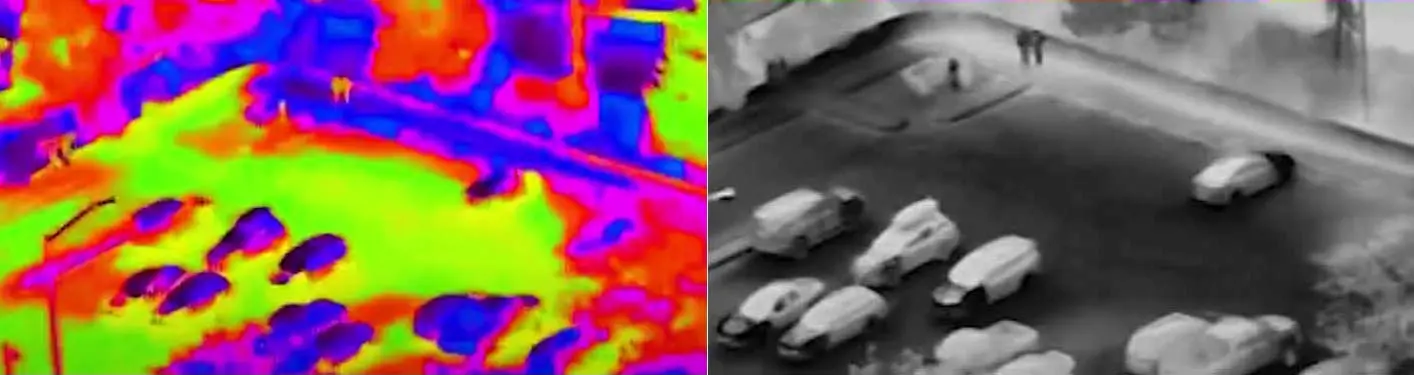
The thermal camera and security drone combination is a game-changing tool for law enforcement and private security operations. Unlike standard cameras, thermal imaging devices capture the infrared energy emitted by objects and individuals, transforming thermal energy into visible images.
This technology allows security drone operators to identify subjects in complete darkness, through smoke, or obscured by foliage, providing key observation support that traditional cameras cannot.
For security operations, security drones offer a strategic overview, giving operators the ability to see beyond the visible spectrum:
- Suspects cannot hide as easily in the night
- Individuals in distress can be quickly located, making thermal-equipped drones invaluable for search and rescue missions.
- Thermal cameras can monitor temperature variations in industrial settings, identifying potential fire hazards before they escalate, supporting critical infrastructure security.
Drones As Key Assets For Telecommunications
With the ability to carry telecommunications payloads, a security drone becomes a mobile, variable height antenna, able to provide vital connectivity in diverse scenarios.
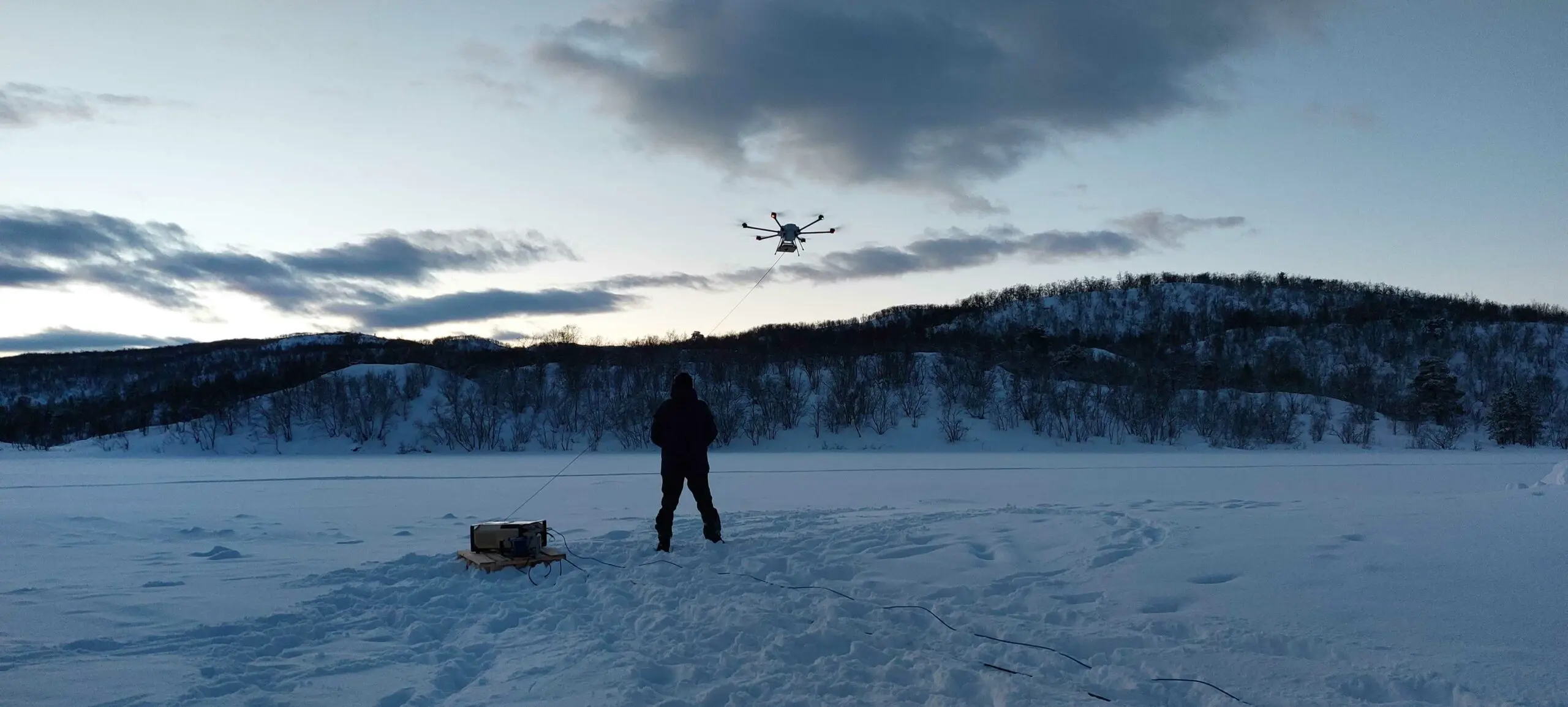
In the case of natural disasters, when traditional communication infrastructures often fail, drones equipped with relay antennas can swiftly establish pop-up networks. This capability is crucial for first responders, enabling effective coordination and communication in areas otherwise cut off from the world.
Moreover, for law enforcement operations, drones can be outfitted with IMSI catcher payloads. This adaptation amplifies the reach of these devices, making it an invaluable tool in anti-terrorism missions by intercepting mobile phone communications to locate and neutralize threats.
In tactical contexts, these aerial assets forge reliable communication channels between field teams and command centers, guaranteeing the secure and efficient transfer of sensitive data, particularly in areas that are remote or otherwise hard to reach.
The adaptability of security drone reaches beyond standard law enforcement uses.
Equipped with telecommunications payloads, they bolster operational effectiveness and secure mission outcomes by enhancing communication and coordination.
“The idea of tethered drones is to have an eye of view for a situation in real time, to act faster and protect large events.”
Conclusion about Security Drones
Autonomous security drones deliver critical capabilities that create a more informed, responsive, and effective security posture:
- Comprehensive aerial coverage: global view over large areas with enhanced situational awareness.
- Versatile surveillance options: diverse camera options and payloads for tailored security operations.
- Rapid autonomous deployment: flexibility and swift response with fully automated systems.
- Actionable intelligence: strategic insights through AI-powered image analysis software.
For law enforcement and private security operators managing critical infrastructure, the integration of robotic aerial security technology into their operational framework is not just an advantage; it’s a necessity in the ever-evolving landscape of security challenges.
Security Drones FAQ: Technology, Usage, and Safety Explained
What is a surveillance drone?
A surveillance drone is an unmanned aerial vehicle (UAV) or robotic system primarily used for monitoring, intelligence gathering, and security purposes. It is equipped with advanced payloads, such as high-definition and thermal cameras, to provide real-time aerial surveillance. Modern autonomous security drones can be deployed for long-term perimeter monitoring or for rapid on-demand response to security alerts.
Why are security drones vital for public safety and response missions?
Autonomous security drones are vital for security, offering aerial views and situational awareness without risking personnel, and contributing to false alarm reduction.
Equipped with advanced cameras, including thermal imaging, for day and night monitoring, they can surveil large areas continuously, help monitoring events or support first responders in emergencies.
When part of a Drone-in-a-Box (DIB) system, they are ideal for automated, extended surveillance and rapid response. Additionally, drones with telecommunication payloads play a key role in reconnaissance and emergency response, carrying devices like IMSI catchers to monitor communications and establishing temporary networks in remote or infrastructure-lacking areas.
Why are DJI drones blacklisted?
DJI drones are blacklisted because the U.S. government has concerns about national security and data privacy. The 2025 National Defense Authorization Act requires a federal agency to audit DJI by December 23, 2025. If no audit happens, DJI drones will be banned from import, sale, and use in the U.S.
This is due to fears that DJI’s technology could be used for spying or that data might be compromised. The ban also targets DJI’s related companies to prevent circumventing restrictions.
Which drone is best for security surveillance?
Various drones are tailored for security and surveillance. While multi-rotor drones offer stability and ease of use, the best choice for professional security operations is often an autonomous Drone-in-a-Box (DIB) system. DIBs enable automated patrol missions and rapid alarm response essential for perimeter security.
Tethered drones are also highly effective for continuous, prolonged surveillance over a fixed location. Key to enhancing a drone’s surveillance capabilities are its payloads, such as high-definition and thermal imaging cameras, which enable clear footage and heat signature detection. Integrating AI for object identification and target tracking further boosts efficiency and the drone’s operational intelligence.


